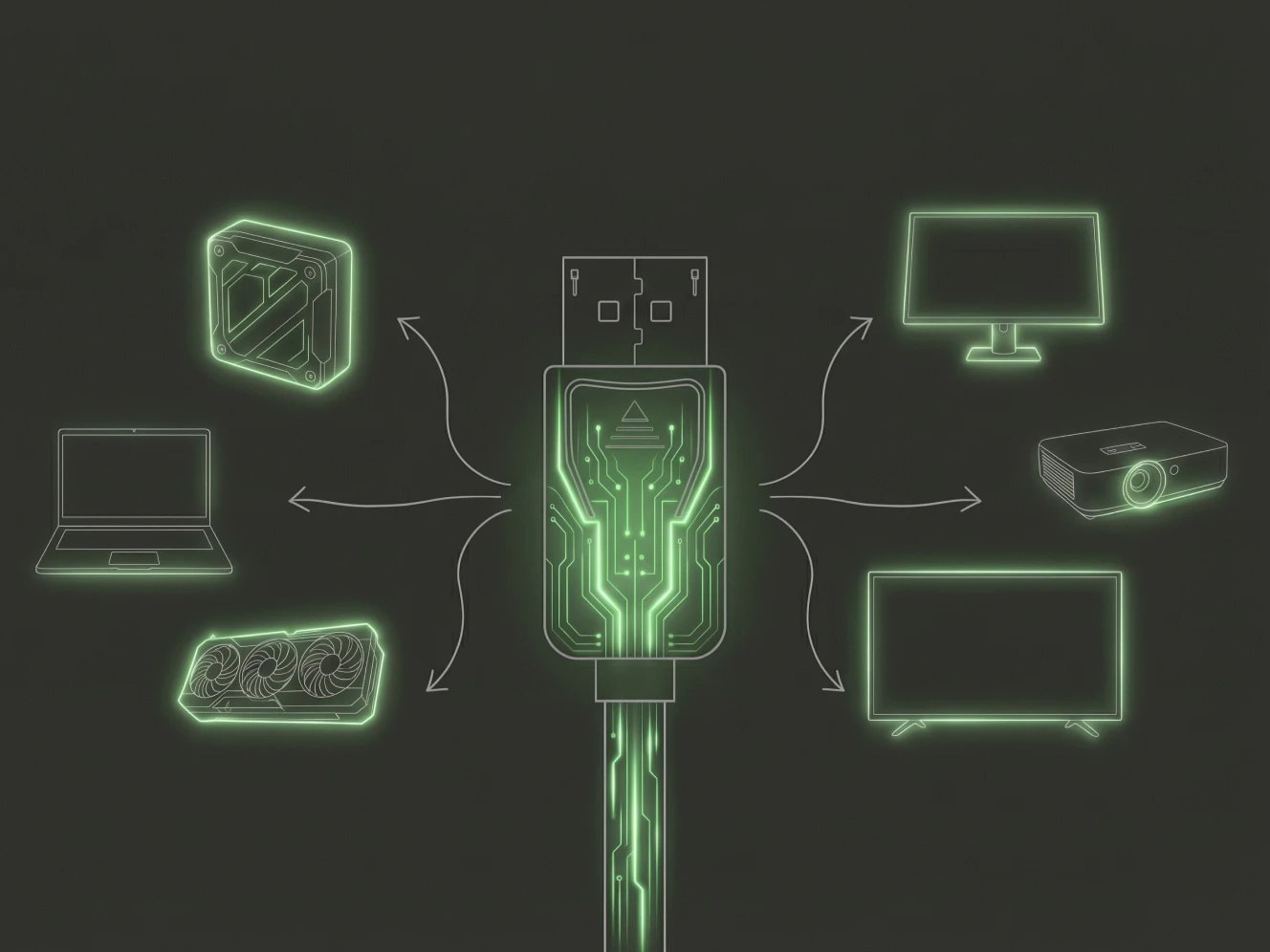
High-speed interface for transmitting video signals over mid-range cables (Monitor ↔ PC)
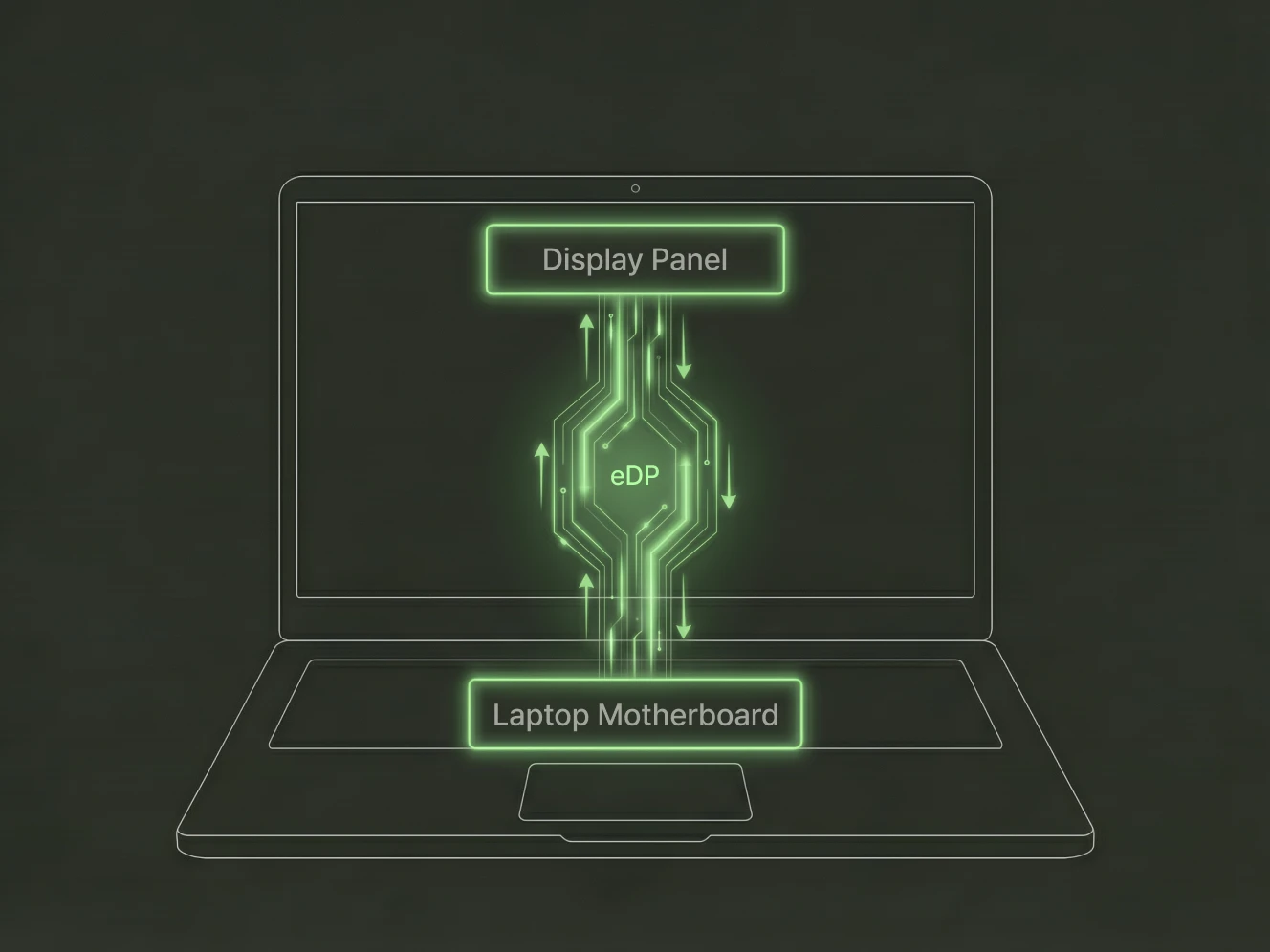
eDP1.5
Intra-device interface for high-speed video signal transmission between Chip (CPU/GPU) ↔ Chip (T-Con) within laptop systems
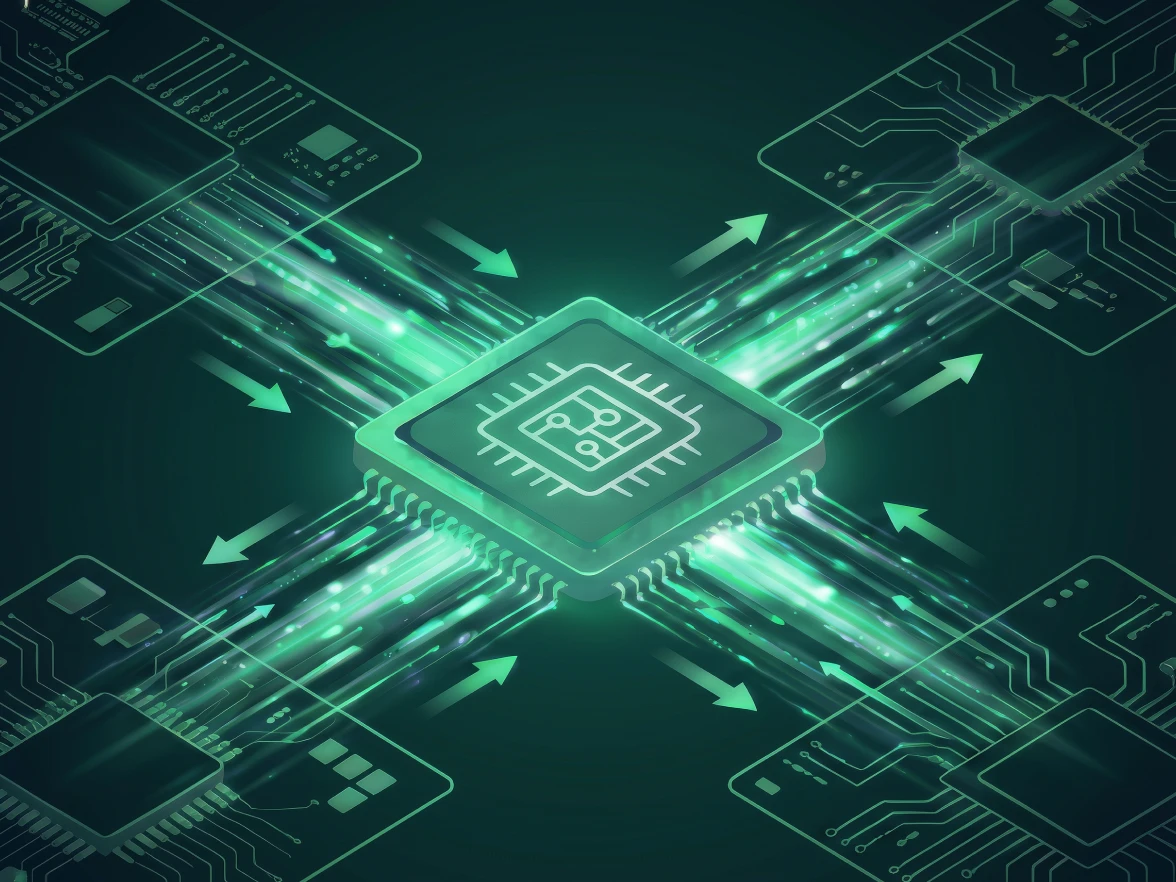
High Speed SerDes
Intra-system interface for high-speed serial link between Sensor ↔ Processor ↔ Display
Enables ultra-high-speed signal transmission in AI data centers and high-speed networks
High Speed Connectivity Interface
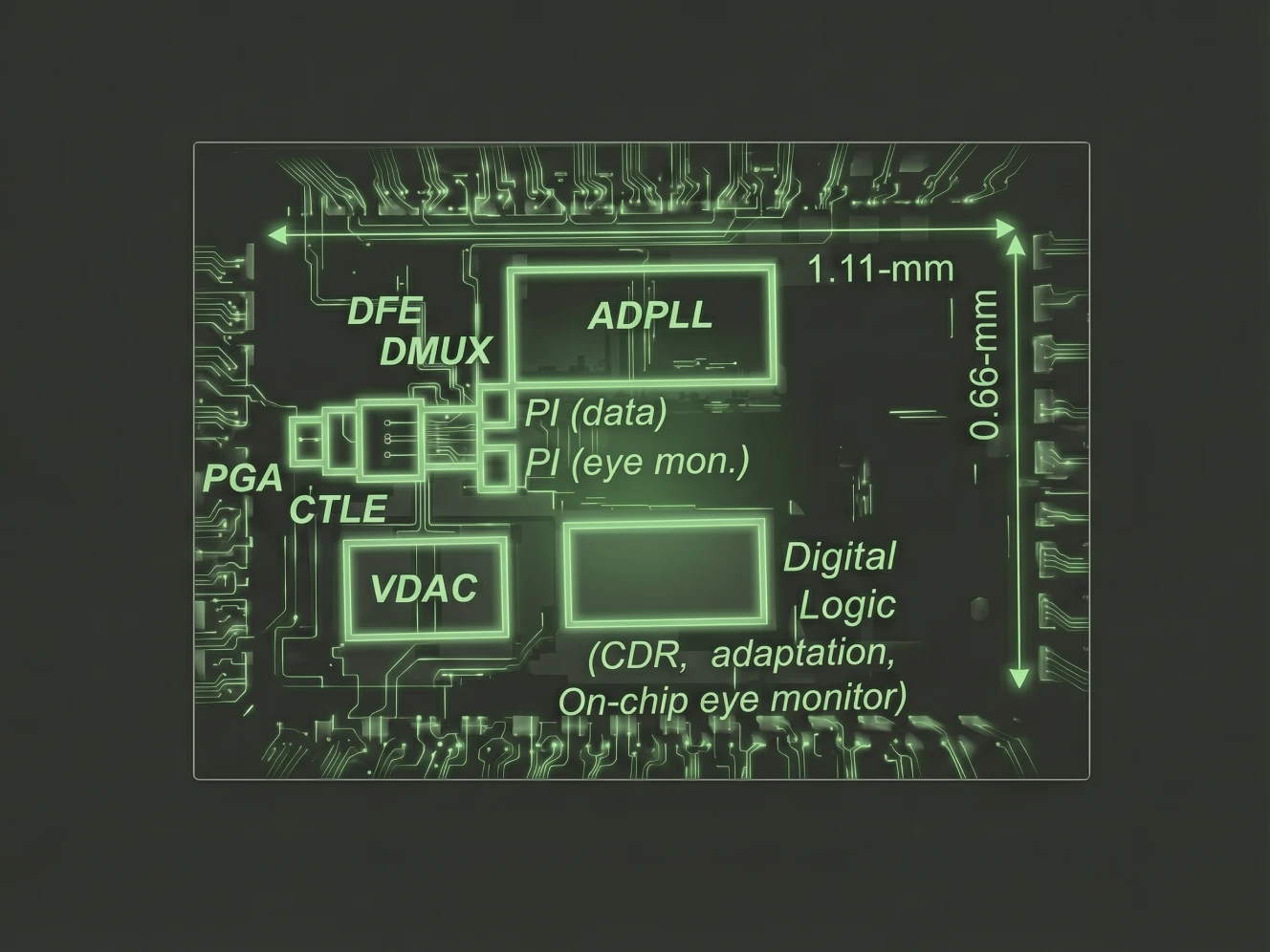
All Digital PLL Technology
Process Portability
Seamless migration to advanced process nodes compared to analog PLL (reduced from 2 months to under 1 month)
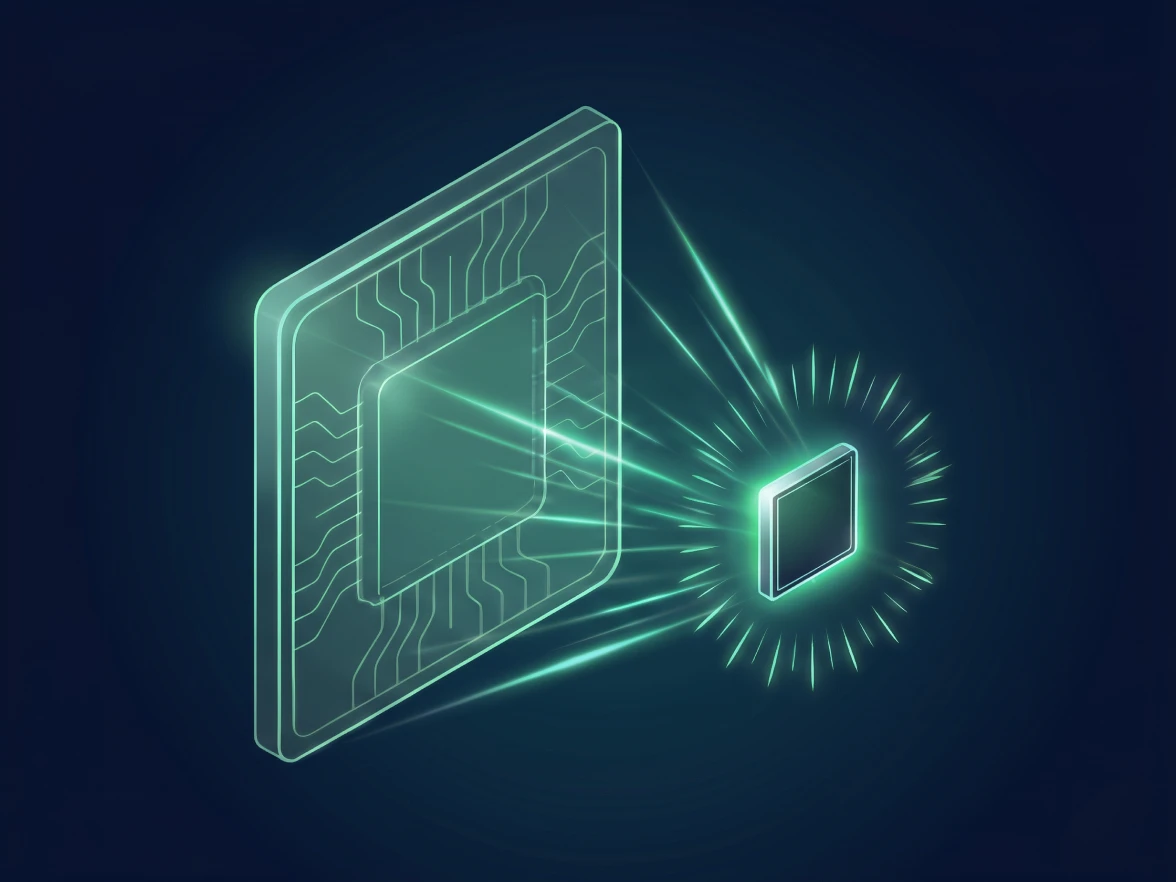
Die Size (Miniaturization)
Reduced die size for cost and form factor advantages (approximately 10% of conventional PLL area)
Low Power
Significant power savings, ideal for energy-efficient and mobile applications
Vehicle Control Interface
Automotive Interface
A core system that reliably connects data and control signals between in-vehicle ECUs (Electronic Control Units), displays, sensors, and external communication modules.
Key Functions
Provides real-time support for driving information display, infotainment system operation, Advanced Driver Assistance Systems (ADAS), and vehicle control functions.
Technical Requirements
Must withstand extreme temperatures, vibration, and electromagnetic interference (EMI/EMC) inherent in automotive environments.
Supported Communication Standards
Supports CAN, LIN, FlexRay, and Automotive Ethernet, as well as various automotive display interface standards including LVDS and MIPI.